


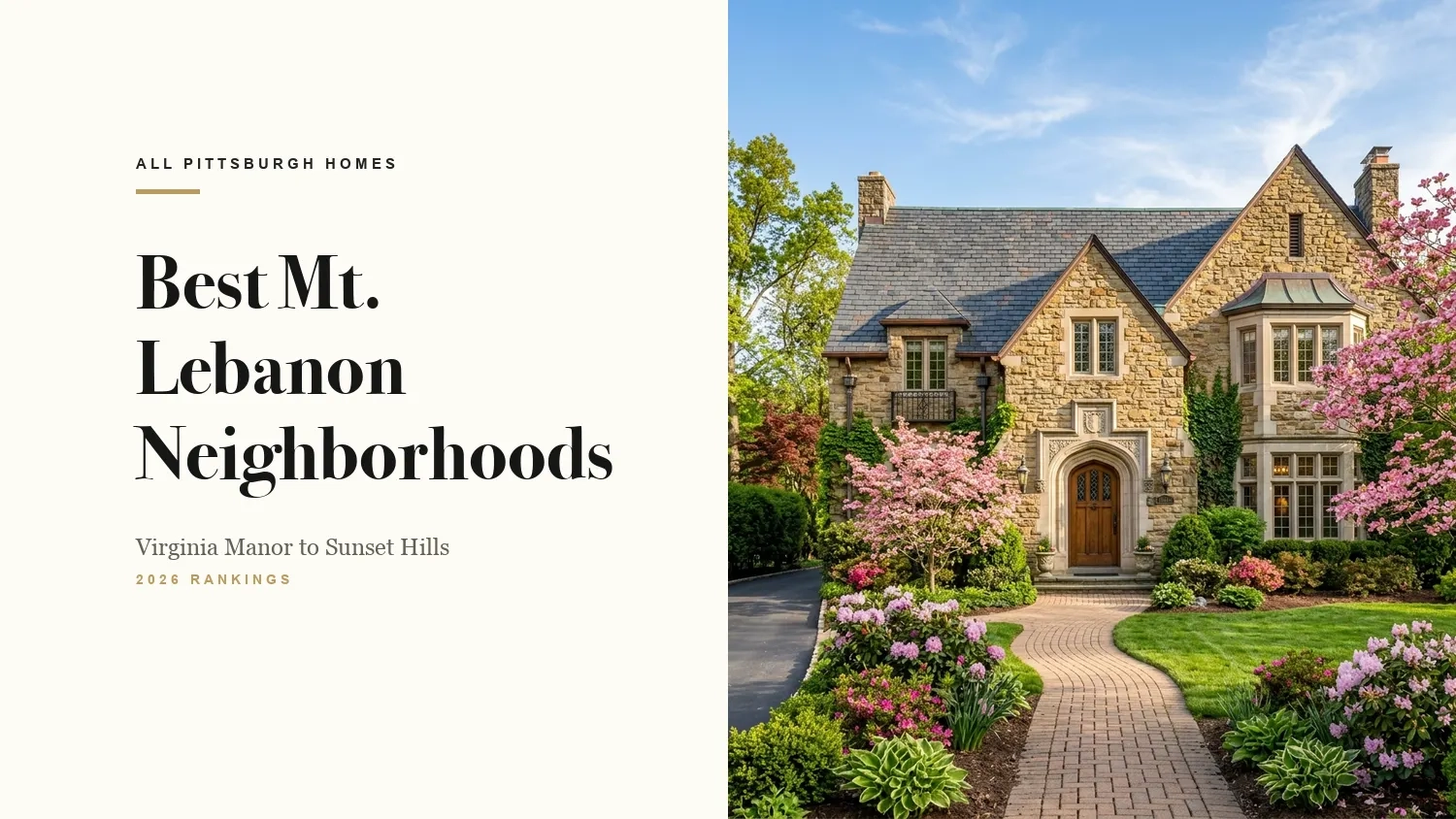
Few municipalities in Western Pennsylvania match the enduring prestige, civic stability, and architectural pedigree of Mt. Lebanon. Situated seven miles south of Downtown Pittsburgh in Allegheny County, this mature streetcar suburb of roughly 33,000 residents has spent a century building a reputation for academic excellence, pedestrian connectivity, and exceptional residential craftsmanship.
When homebuyers first research homes for sale in Mt. Lebanon, they often view the community as a single uniform suburban market. In reality, Mt. Lebanon is an intricate collection of distinct residential enclaves, each defined by its own street layout, architectural era, park access, and price profile. Whether a buyer seeks an expansive stone manor on a half-acre parcel, a classic red brick colonial within walking distance of the light rail line, or a charming Tudor near neighborhood elementary schools, Mt. Lebanon delivers architectural options that few other Pennsylvania communities can replicate.
This guide analyzes the premier neighborhood enclaves across Mt. Lebanon from an objective real estate practitioner perspective. We examine housing stock, street topology, price points, and daily lifestyle practicalities so prospective residents can evaluate where their housing investment best aligns with their priorities.
1. Understanding Mt. Lebanon's Real Estate Landscape
Before touring specific subdivisions, it helps to understand the underlying framework of the Mt. Lebanon housing market. Unlike newer outer-ring suburbs characterized by sprawling cul-de-sacs and modern tract construction, Mt. Lebanon was developed primarily between 1905 and 1955. That intentional pre-war and mid-century planning created an authentic pedestrian network where tree-shaded sidewalks line nearly every residential street.
The township spans approximately six square miles and operates its own dedicated K-12 public school system, the nationally recognized Mt. Lebanon School District. The district features seven neighborhood elementary schools (Foster, Howe, Hoover, Jefferson, Lincoln, Markham, and Washington), two middle schools (Mellon and Jefferson), and a high school campus on Horsman Drive. This neighborhood school model means that elementary students walk to school with their neighbors, reinforcing deep block-level ties across each subdivision because the district operates zero yellow buses for elementary grades.
Home prices in Mt. Lebanon reflect sustained demand and land scarcity. Because the municipality is almost entirely built out, new construction subdivisions do not exist. Instead, the market centers on meticulously preserved stone, brick, and slate properties. Entry-level single-family homes generally begin around $350,000 to $420,000 for three-bedroom split levels or brick ranches. The core mid-market runs from $450,000 to $750,000, while premier historic estates routinely trade from $850,000 to more than $1,800,000. For homebuyers deciding between South Hills communities, comparing local characteristics in our guide on Mt. Lebanon vs Upper St. Clair provides valuable context on lot sizes and lifestyle differences.
2. Virginia Manor: Luxury Estates and Architectural Heritage
Virginia Manor stands as the premier luxury enclave of Mt. Lebanon and one of the most prestigious residential addresses in Western Pennsylvania. Conceived in the late 1920s by former Pennsylvania Governor James H. Duff and developer L.W. Monteverde, Virginia Manor was intentionally engineered as an elite garden suburb. Wide curving parkways, generous setbacks, mature oak canopies, and underground utilities set this neighborhood apart from typical grid layouts.
The architectural pedigree here is extraordinary. The neighborhood features grand English Tudors built with locally quarried stone, French Eclectic manors, Georgian Colonials, and Cotswold stone cottages. Prominent streets such as Valleyview Drive, Beverly Heights, Osage Road, and Country Club Drive showcase custom masonry, leaded glass casement windows, hand-hewn timber accents, and authentic multi-colored slate roofs. For buyers passionate about craftsmanship, this neighborhood exemplifies historic residential architecture in Pittsburgh at its highest expression.
Parcels in Virginia Manor are notably larger than the Mt. Lebanon average, often ranging from one-third of an acre to over an acre of manicured grounds. This provides privacy and curb appeal that executive buyers demand. In terms of location, Virginia Manor borders Cochran Road to the west and Beverly Road to the north, granting quick access to the Beverly Road commercial district and St. Clair Hospital.
From a pricing perspective, Virginia Manor represents the upper tier of the local market. Entry into the enclave occasionally occurs around $750,000 for smaller homes needing renovation, but typical renovated properties command between $900,000 and $1,500,000, with landmark estates commanding upwards of $1,800,000. Properties here hold their value through economic cycles due to continuous demand from medical professionals, corporate executives, and attorneys.
3. Mission Hills: Village Charm and High School Proximity
For buyers who value distinct architectural personality paired with superb walkability, Mission Hills is a standout choice. Situated south of Washington Road and Washington Elementary School, this National Register Historic District was developed throughout the 1920s and 1930s with a deliberate Spanish Colonial Revival and Mission theme, alongside English Tudor and Craftsman homes.
Walking along streets like Mission Circle, Academy Avenue, and Mayfair Drive, visitors discover stucco facades with red clay tile roofs, wrought iron balconies, arched entryways, and decorative ceramic tile details that are virtually unique in Greater Pittsburgh. The enclave sits directly adjacent to Jefferson Middle School and is an easy stroll to the Washington Road business district, known locally as Uptown Mt. Lebanon.
Living in Mission Hills means residents can leave their vehicles in the garage all weekend. Residents walk to coffee shops, independent bistros, the public library, and the Mt. Lebanon Station light rail platform for a convenient commute into Downtown Pittsburgh. If you are exploring broader walkable communities across the region, our walkable Pittsburgh suburbs guide highlights how Mt. Lebanon compares to towns like Sewickley and Oakmont.
Single-family home prices in Mission Hills generally range from $550,000 to $950,000. Because the lots are moderately sized (typically 0.15 to 0.25 acres), yard maintenance is manageable, making the neighborhood popular among both upwardly mobile professionals and downsizers who refuse to compromise on architectural charm.
4. Sunset Hills: Transit Convenience and Classic Brick Colonials
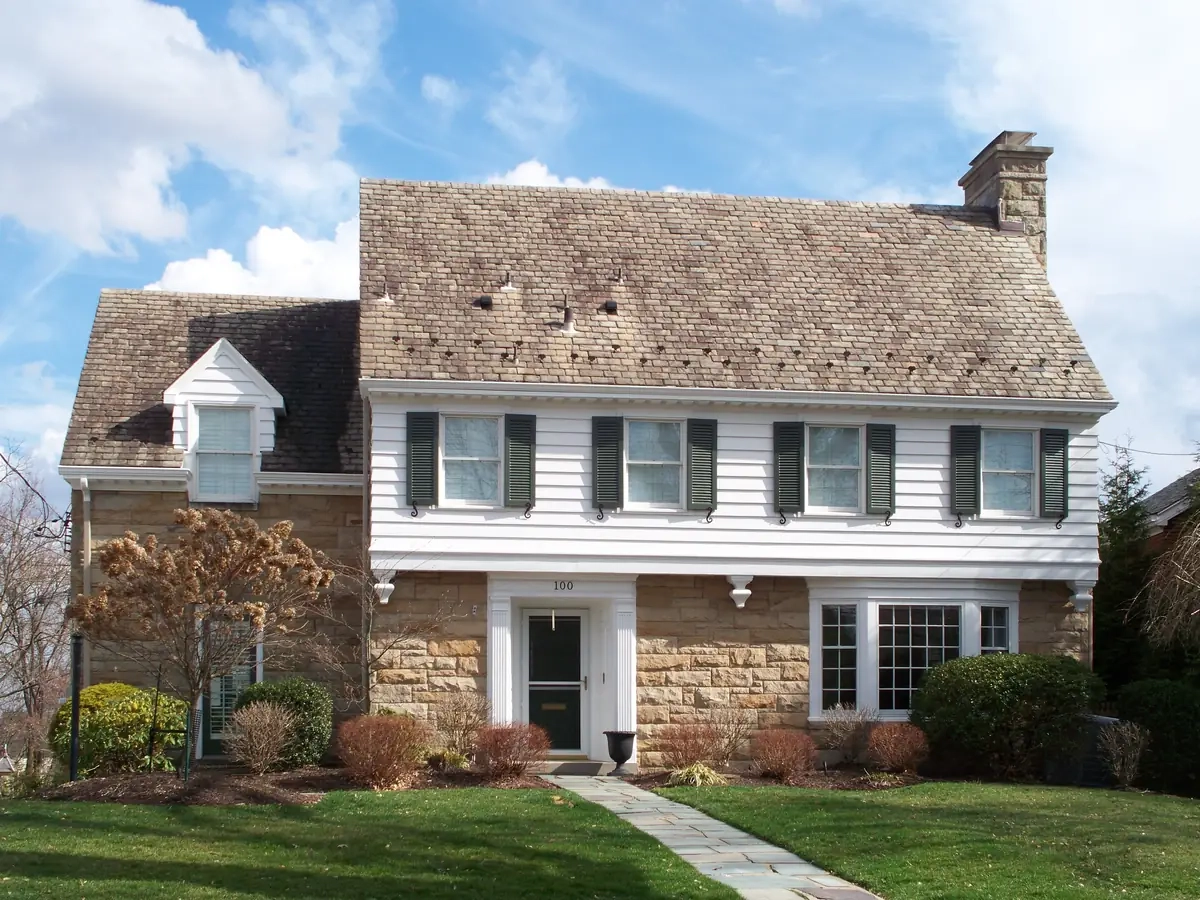
Sunset Hills occupies the southeastern sector of Mt. Lebanon, bordered by Castle Shannon Boulevard to the south and Cedar Boulevard to the west. This close-knit neighborhood was primarily constructed between the late 1920s and early 1950s, creating an attractive and cohesive streetscape dominated by solid red brick Colonials, Dutch Colonials with gambrel roofs, and charming Cape Cods.
One of the strongest advantages of Sunset Hills is transit connectivity. The neighborhood sits right alongside the Pittsburgh Regional Transit Red Line light rail corridor. Residents on streets like Sunset Drive, Castle Shannon Boulevard, and Ansonia Avenue can walk a few minutes to the Mt. Lebanon or Sunset T-stations, reaching Steel Plaza or Gateway Center in Downtown Pittsburgh within 25 minutes. This transit advantage makes Sunset Hills a favorite for commuters working downtown who prefer to avoid tunnel traffic.
Children in Sunset Hills generally attend Foster Elementary School, another top-ranked community facility with strong neighborhood parent involvement. The neighborhood also benefits from direct access to Sunset Park, which offers tennis courts, play structures, and shaded green space for afternoon recreation.
Price points in Sunset Hills offer an approachable entry into Mt. Lebanon single-family housing. Well-maintained three-bedroom brick homes regularly sell between $350,000 and $525,000, while expanded four-bedroom floor plans with finished basements and updated kitchens trade between $525,000 and $650,000. It is an ideal neighborhood for buyers purchasing their first single-family property who want prime public schools without entering luxury price brackets.
5. Hoodridge and Markham: Mid-Century Space and Rolling Topography
Heading toward the western edge of Mt. Lebanon near Markham Elementary School, the Hoodridge and Markham neighborhood introduces a different chapter of South Hills residential design. Developed largely in the post-war era of the 1940s through the 1960s, this area features gently rolling topography, wider street frontages, and generous interior square footage.
Architectural styles along Hoodridge Drive, Markham Drive, and surrounding streets include substantial stone-accented split levels, sprawling brick ranches, and traditional two-story Colonials. Many homes feature two-car attached garages, main-level family rooms, and private walk-out basements that open directly to rolling backyards. For families searching for properties with larger ground-floor living areas and functional floor plans, this neighborhood provides modern flow that older 1920s homes sometimes lack.
Markham Elementary serves as the neighborhood hub, anchored by adjacent playgrounds and municipal ballfields. The neighborhood also sits close to Bird Park, a 40-acre natural preserve featuring wooded walking trails, soccer fields, and community park benches. Having Bird Park nearby provides immediate access to nature without leaving the municipality.
Home prices in the Hoodridge and Markham enclave typically span from $450,000 to $750,000. Pristine brick ranches with updated primary suites command strong interest from buyers seeking single-level living, while expanded multi-level homes offer four to five bedrooms for growing households.
6. Beverly Heights and Uptown: Pedestrian Living and Local Retail
Centered around the popular Beverly Road commercial corridor, Beverly Heights delivers an authentic small-town village experience. Developed throughout the 1920s and 1930s, this neighborhood features handsome two-story brick homes, craftsman bungalows, and occasional late Victorian styles set along sidewalk-lined streets with tidy front lawns.
What makes Beverly Heights so functional is daily convenience. Living on streets like Overlook Drive, Glenridge Road, or Lincoln Drive means residents are steps away from local favorites including the Beverly Services hardware store, independent coffee shops, bakeries, ice cream parlors, and casual dining spots. Lincoln Elementary School anchors the neighborhood, providing another walkable public educational facility where parents gather every morning and afternoon.
The neighborhood also offers convenient vehicular access to Cochran Road and Banksville Road, allowing commuters to reach Downtown Pittsburgh or the Parkway West (Interstate 376) toward Pittsburgh International Airport without navigating local bottlenecks.
Real estate values in Beverly Heights typically range from $400,000 to $700,000. Homes here often feature original hardwood floors, unpainted gumwood trim, brick fireplaces, and screened side porches that capture the warm social rhythm of neighborhood life.
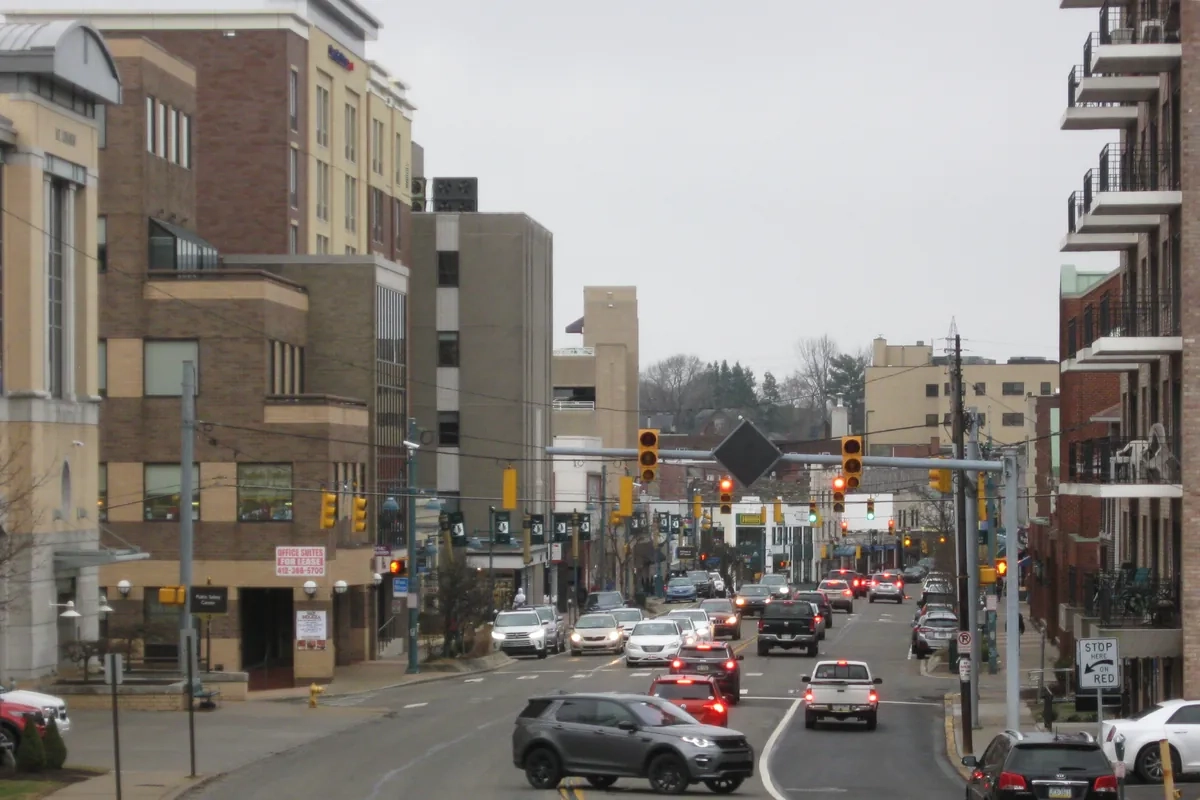
Adjacent to Beverly Heights lies the Uptown and Washington Road Corridor. Anchored by the Washington Road business district, this area blends single-family residences with historic condominium buildings, modern townhomes, and multi-family properties. Historic pre-war condominium units offer entry into Mt. Lebanon starting from $200,000 to $350,000, while single-family homes trade from $420,000 to $650,000. If you are relocating from another region and want to learn more about moving logistics and municipality details, review our comprehensive guide on moving to Mt. Lebanon PA.
7. Side-by-Side Neighborhood Comparison and Price Tiers
To help prospective purchasers evaluate the distinct trade-offs across these enclaves, the tables below outline primary real estate indicators, transit access, and architectural inventory profiles across Mt. Lebanon.
| Neighborhood Enclave | Dominant Eras and Styles | Prevailing Price Range | Elementary Feeder School | T Light Rail Access | WalkScore and Pedestrian Feel |
|---|---|---|---|---|---|
| Virginia Manor | 1920s to 1940s Stone Tudors, French Manors | $750,000 to $1,800,000 | Markham or Lincoln | 5 to 7 minute drive to station | WalkScore 45; quiet curving parkways |
| Mission Hills | 1920s Spanish Revival, Craftsman, Brick Tudor | $550,000 to $950,000 | Washington | 5 to 10 minute walk to Mt. Lebanon Station | WalkScore 82; immediate Uptown access |
| Sunset Hills | 1930s to 1950s Brick Colonials, Cape Cods | $350,000 to $650,000 | Foster | 3 to 7 minute walk to Red Line stops | WalkScore 74; sidewalk grid to transit |
| Hoodridge and Markham | 1940s to 1960s Split Levels, Stone Ranches | $450,000 to $750,000 | Markham | 5 to 8 minute drive to station | WalkScore 52; rolling hills near Bird Park |
| Beverly Heights | 1920s to 1940s Craftsman, Brick Colonials | $400,000 to $700,000 | Lincoln | 10 to 12 minute walk to Poplar Station | WalkScore 78; walk to Beverly Road retail |
| Uptown Corridor | 1920s to 1980s Brick Condos, Townhomes | $200,000 to $650,000 | Washington | Immediate 1 to 4 minute walk to T-platform | WalkScore 88; urban core retail and dining |
Understanding where different property archetypes fit into Mt. Lebanon's broader price tiers helps buyers establish realistic expectations during their property search:
| Price Bracket | Housing Category | Typical Layout and Square Footage | Mechanical Considerations |
|---|---|---|---|
| $200,000 to $350,000 | Condominiums and Co-ops | 1 to 2 Bedrooms; 850 to 1,400 sq ft | HOA structural reserves, radiator boiler heat |
| $350,000 to $550,000 | Classic Brick Colonials and Split Levels | 3 Bedrooms, 1.5 Baths; 1,500 to 2,200 sq ft | 1-car integral garage, original sewer laterals |
| $550,000 to $850,000 | Expanded Character Homes and Tudors | 4 Bedrooms, 2.5 to 3.5 Baths; 2,300 to 3,400 sq ft | Updated electrical panels, central cooling retrofits |
| $850,000 to $1,800,000+ | Executive Historic Stone Estates | 4 to 6 Bedrooms, 4+ Baths; 3,500 to 5,500+ sq ft | Multi-zone HVAC, historic slate roof maintenance |
8. Home Inspection Priorities for Vintage South Hills Architecture
Purchasing historic real estate in Mt. Lebanon requires careful attention to several unique transactional and structural factors before submitting a purchase agreement. Because the majority of homes were constructed prior to 1960, specialized home inspections provide essential protection for prospective buyers.
| System or Component | Vintage Feature | Inspection Focus | Municipal Requirement or Remedy |
|---|---|---|---|
| Sanitary Sewer Lateral | Original terracotta clay pipe | Video camera scope for root intrusion and collapsed tile | Mandatory municipal sewer dye test prior to title transfer |
| Electrical Distribution | Knob-and-tube wiring, 60-100 amp panels | Verify branch circuit grounding and panel capacity | Upgrade to 200-amp service with modern AFCI/GFCI breakers |
| Roofing System | Authentic Pennsylvania quarry slate | Inspect flashing, valleys, and missing or chipped slates | Specialist tune-up and maintenance rather than replacement |
| Driveway and Garage | Steep downward grades to integral basement garages | Inspect retaining walls, trench drains, and winter grading | Install heated snow-melt mats or maintain sump backups |
In addition to structural systems, buyers must account for local municipal ordinances and financial mechanics:
- Property Taxes and Common Level Ratio: Mt. Lebanon property taxes comprise Allegheny County, municipal, and school district millages. Allegheny County currently utilizes a Common Level Ratio (CLR) during assessment appeals, so budgeting for potential post-closing tax reassessments initiated by the school district is an essential planning step.
- Overnight Street Parking Restrictions: Mt. Lebanon strictly enforces an overnight on-street parking ban between 2:00 AM and 6:00 AM. Vehicles must be parked on private driveways or within garages, making off-street vehicle capacity a key point of evaluation.
9. Frequently Asked Questions About Mt. Lebanon Neighborhoods
Which neighborhood in Mt. Lebanon has the highest walkability?
Mission Hills, Beverly Heights, and the Uptown Corridor offer the highest walkability in Mt. Lebanon. Residents in these neighborhoods easily walk to coffee shops, grocery markets, public elementary schools, and light rail T-stations without needing a vehicle for daily errands.
What is the most expensive neighborhood in Mt. Lebanon?
Virginia Manor is consistently the most expensive neighborhood in Mt. Lebanon. Home prices in Virginia Manor typically range from $750,000 to over $1,800,000 due to its half-acre estate lots, mature canopy trees, and magnificent stone Tudors and French manors.
Are all elementary schools in Mt. Lebanon equally ranked?
All seven public elementary schools in the Mt. Lebanon School District perform exceptionally well on state standardized assessments. Because curriculum standards and district resources are distributed evenly across the township, parents can choose any neighborhood with confidence in educational quality.
How long is the commute from Mt. Lebanon to Downtown Pittsburgh?
The commute from Mt. Lebanon to Downtown Pittsburgh typically takes 20 to 25 minutes via the Pittsburgh Regional Transit Red Line light rail system. Driving via West Liberty Avenue or the Liberty Tunnels takes approximately 18 to 35 minutes depending on peak rush hour traffic.
10. Buyer Selection Framework: Choosing Your Mt. Lebanon Enclave
Selecting the right Mt. Lebanon neighborhood comes down to aligning architectural taste, transit needs, and household routines. Prospective buyers can use the following four-step framework to narrow down their target enclaves:
- Step 1: Determine Your Transit and Pedestrian Priorities: If daily light rail access into Downtown Pittsburgh is essential, prioritize Sunset Hills, Mission Hills, or the Uptown Corridor. If you prefer quiet parkways and secluded half-acre grounds, Virginia Manor provides estate living just minutes from commercial amenities.
- Step 2: Balance Vintage Charm Against Renovation Budgets: Historic 1920s stone Tudors in Mission Hills and Beverly Heights offer extraordinary character but require maintenance of slate roofs, plaster walls, and older plumbing. If you prefer larger attached two-car garages and open post-war layouts, explore Hoodridge and Markham.
- Step 3: Review Elementary School Feeder Zones: Because Mt. Lebanon operates seven neighborhood walk-in elementary schools with zero yellow busing for elementary grades, verify the walking route between your target home and its assigned school campus.
- Step 4: Conduct Rigorous Pre-Offer Property Due Diligence: Before making an offer, verify the municipal sewer dye test status, order a camera scope of the sewer lateral, review off-street driveway parking capacity, and calculate post-closing property tax scenarios under Allegheny County Common Level Ratio appeal thresholds.
To explore active property inventory and research historic sales trends across Virginia Manor, Mission Hills, and Sunset Hills, consult the regional homebuyer resource portal and track new listings as they enter the South Hills market.