New - 2 Hours Ago


$275,000
Active
3
Beds
3
Baths
1458
Sqft
0.4745
Acres
119 Green Vista Dr, Pittsburgh, PA 15237
MLS#: 1777548


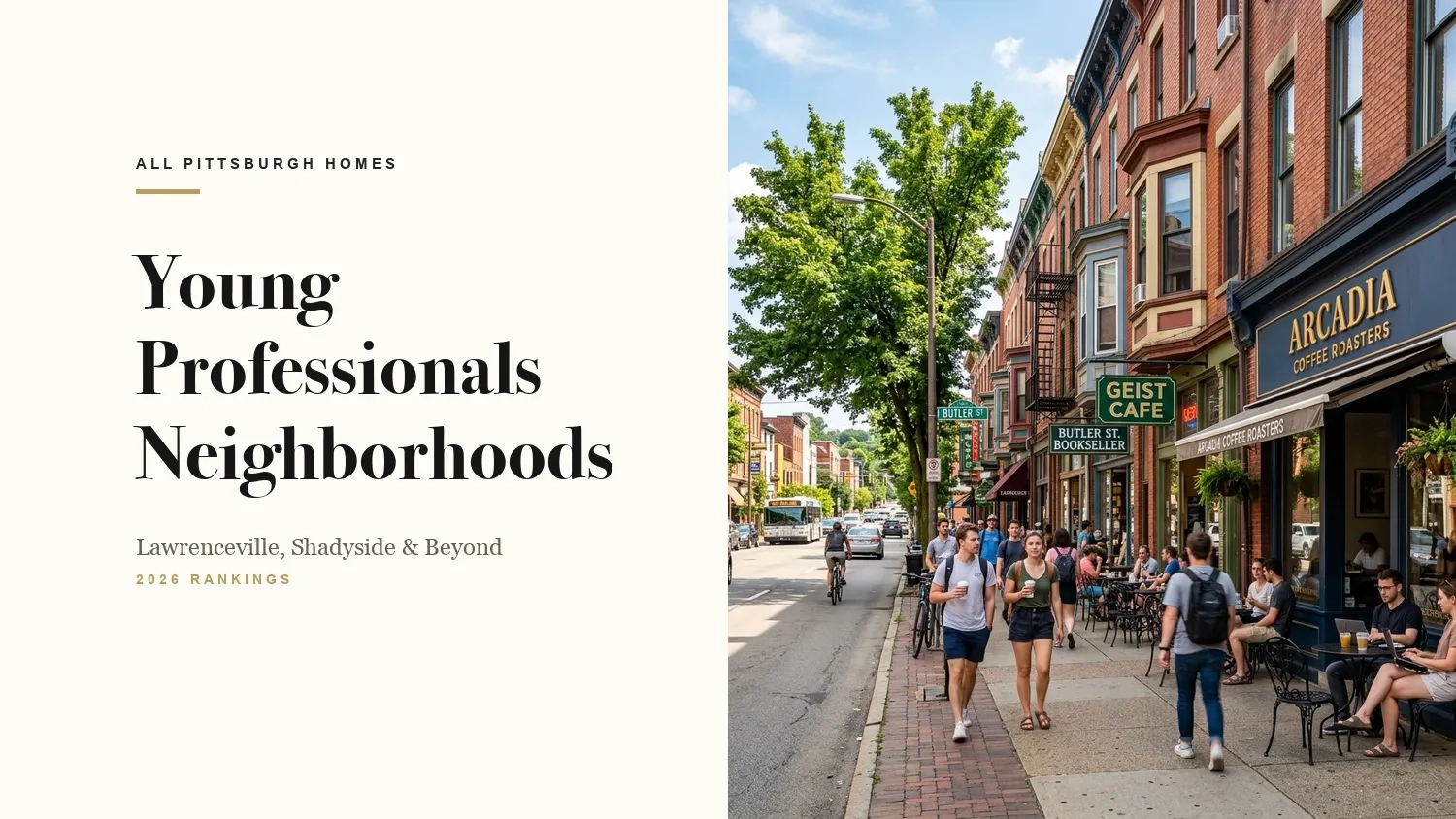
For technology transplants, medical fellows, and corporate professionals relocating to Western Pennsylvania, the vibrancy and economic accessibility of Pittsburgh's urban core regularly exceeds expectations. Over the past fifteen years, Pittsburgh completed a historic transformation from an industrial center into one of the nation's premier hubs for artificial intelligence, autonomous robotics, biotechnology, and specialized healthcare.
What makes Pittsburgh uniquely appealing to early- and mid-career professionals is its exceptional ratio of career opportunity to living cost. In coastal markets like New York, Boston, or San Francisco, young professionals often find themselves paying exorbitant rents for small apartments, with homeownership remaining out of reach. In Pittsburgh, an engineer, clinician, or creative professional can rent comfortably in an active urban corridor while saving capital to purchase a renovated historic rowhouse, loft, or condominium within their initial years in the region.
However, Pittsburgh is renowned for its distinct topography and sharp neighborhood identities. Rivers, ravines, and bridges divide the city into distinct micro-markets, each offering a very different daily rhythm. In this guide, we evaluate the premier Pittsburgh urban neighborhoods for young professionals, detailing their housing stock, major employer access, dining scenes, transit connectivity, and current real estate price points.
To choose the right neighborhood, prospective residents must first understand where the primary employment centers cluster across the city. Pittsburgh's economic engine is powered by three major corridors:
Living close to these economic hubs minimizes commute friction and maximizes daily networking. If you are also weighing whether to establish roots in the city versus moving to an outer historic town, exploring our walkable Pittsburgh suburbs guide will help you evaluate urban living against communities like Sewickley or Mt. Lebanon.
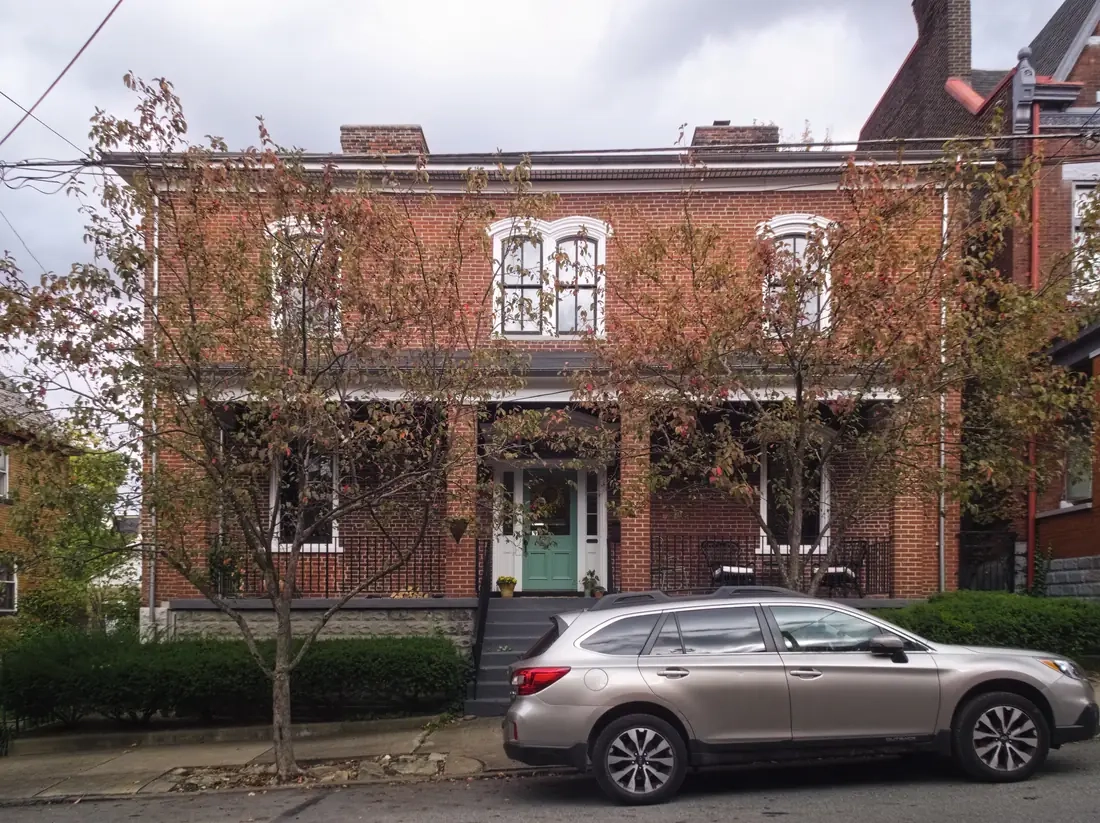
Divided into Lower, Central, and Upper sections along the Allegheny River, Lawrenceville has stood as Pittsburgh's flagship urban revival story for over a decade. Originally a historic neighborhood housing workers from nearby steel mills and the Allegheny Arsenal, Lawrenceville is now the creative and technological focal point of the city.
Daily life centers along Butler Street, a three-mile commercial corridor lined with third-wave espresso bars, craft cideries, gastropubs, independent fashion boutiques, record shops, and contemporary art galleries. Arsenal Park provides a green community gathering space for outdoor movies, farmers markets, and recreational sports. The neighborhood is also home to UPMC Children's Hospital of Pittsburgh in Central Lawrenceville, which draws hundreds of pediatric residents and medical researchers to the area.
The housing stock in Lawrenceville is dominated by two- and three-story historic brick rowhouses constructed between the 1880s and 1920s, alongside sleek modern infill homes built on formerly vacant parcels. Many older homes have been renovated with open-concept main levels, exposed brick accent walls, primary bedroom roof decks overlooking the river, and private fenced back courtyards.
Real estate prices in Lawrenceville vary based on condition and location. Entry-level rowhouses requiring renovation start around $280,000 to $350,000. Fully updated historic rowhomes with modern kitchens and finished basements typically sell between $425,000 and $650,000, while custom new-construction single-family homes with integral two-car garages command $750,000 to over $1,100,000.
For young professionals who prioritize tree-lined residential streets, architectural elegance, and proximity to major medical centers, Shadyside remains the benchmark of East End living. Bordered by Oakland, East Liberty, and Bloomfield, Shadyside has maintained its status as an affluent residential enclave for generations.
Shadyside is unique in offering three distinct pedestrian commercial districts within a ten-minute walk of each other: Walnut Street (retailers like Apple, lululemon, and Sephora mixed with upscale bistros and cocktail lounges), Ellsworth Avenue (independent cafes, neighborhood pubs, art galleries, and local services), and South Highland Avenue (contemporary dining, coffee houses, and home decor boutiques).
The neighborhood is directly adjacent to UPMC Shadyside Hospital and the Hillman Cancer Center, making it the top residential choice for physicians, fellows, and clinical researchers. It also sits within easy biking or transit distance of CMU and Pitt. If you are also evaluating walkable South Hills communities with easy rail transit access to the city, explore our guide to the best neighborhoods in Mt. Lebanon.
Housing in Shadyside is diverse. Historic Victorian mansions along streets like Westminster Place and Amberson Avenue have often been converted into multi-unit condominiums, providing accessible entry into the neighborhood starting from $220,000 to $380,000. Traditional brick brownstones and attached townhomes trade between $450,000 and $800,000, while detached single-family Victorian and Colonial residences command between $850,000 and $1,400,000.
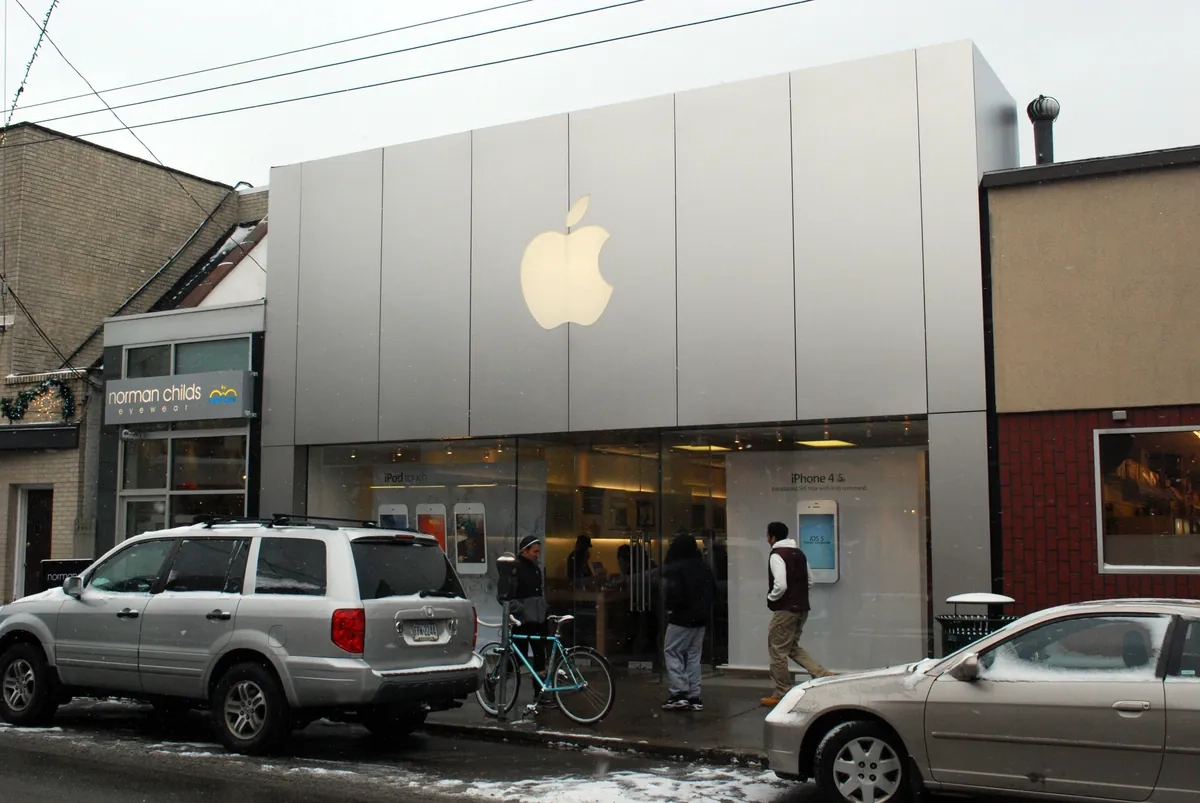
Bordering Downtown Pittsburgh along the southern bank of the Allegheny River, the Strip District is arguably the most dynamic urban neighborhood in the city. Historically a wholesale food distribution and industrial manufacturing market, the Strip District has evolved into an urban residential showpiece over the past decade.
By day, Penn Avenue is an active open-air marketplace filled with Italian specialty grocers (such as Pennsylvania Macaroni Company), fresh seafood markets, Asian food importers, coffee roasters, and street food vendors. Along parallel Smallman Street and the riverfront, former factories and warehouse complexes have been converted into modern tech campuses housing companies like Aurora, Bosch, and Honeywell. To discover more about the neighborhood's market culture and dining heritage, review this helpful overview of the Strip District.
Residential real estate in the Strip District consists primarily of industrial warehouse lofts, converted historic factories, and luxury mid-rise riverfront condominium buildings. Properties often feature polished concrete or hardwood flooring, exposed ductwork, original timber beams, floor-to-ceiling glass windows, and direct access to the Three Rivers Heritage Trail for cycling and running directly into downtown.
Home prices in the Strip District reflect high demand for lock-and-leave living. Modern one-bedroom condominium lofts start from $320,000 to $450,000, two-bedroom residences trade from $500,000 to $750,000, and premier riverfront penthouse suites with private terrace views command $850,000 to $1,500,000.
Centrally situated in the East End, East Liberty and Squirrel Hill offer two contrasting yet complementary urban environments for professionals.
East Liberty: Anchored by the massive Bakery Square development, East Liberty combines major corporate tech innovation with comprehensive daily retail convenience. Young professionals enjoy walking access to Target, Whole Foods Market, Trader Joe's, and the Kelly Strayhorn Theater. Commuting is exceptionally fast via the Martin Luther King Jr. East Busway, which reaches Downtown Pittsburgh in ten minutes. The residential market features renovated historic brick homes and modern townhomes ranging from $280,000 to $550,000, with newer luxury builds reaching $750,000.
Squirrel Hill: Situated between Schenley Park and Frick Park, Squirrel Hill is an established residential neighborhood offering a peaceful setting while retaining superb walkability along Forbes Avenue and Murray Avenue. Renowned for its international dining, bakeries, and bookshops, Squirrel Hill attracts university professors, medical specialists, and senior tech leaders. Pre-war condominiums offer entry from $220,000 to $375,000, while single-family brick homes typically range from $380,000 to $850,000.
Positioned on the south bank of the Monongahela River across from Downtown Pittsburgh, the South Side Flats is an energetic urban neighborhood steeped in local history. The neighborhood's central commercial artery along East Carson Street forms one of the largest contiguous Victorian commercial historic districts in the United States, lined with music venues, casual dining spots, independent cafes, and retail stores.
At the eastern edge of the neighborhood sits South Side Works, a master-planned riverfront development built on the site of a former steel mill. South Side Works features modern apartment complexes, dining options, dog parks, a public town square, and corporate office buildings housing tech companies and university research teams.
The South Side Riverfront Trail runs along the Monongahela River, connecting cyclists and joggers directly to downtown via the Smithfield Street Bridge or southeast to the Great Allegheny Passage. For young professionals working downtown or in Oakland, commuting across the river is fast and simple via public bus lines or bike paths.
Housing in the South Side Flats consists mainly of two-story brick and frame worker rowhouses dating from the late 19th century, along with modern townhomes in South Side Works. Prices are relatively approachable: entry-level rowhouses start from $220,000 to $300,000, renovated properties with modern finishes sell between $325,000 and $475,000, and luxury townhomes with rooftop city views trade from $500,000 to $700,000.
To help prospective purchasers evaluate these six urban neighborhoods, the tables below outline housing formats, price ranges, WalkScore metrics, and commute times to major regional employer corridors:
| Neighborhood | Primary Housing Stock | Entry Purchase Price | Median 1BR Rent | WalkScore and BikeScore | Dominant Vibe and Culture |
|---|---|---|---|---|---|
| Lawrenceville | Renovated Brick Rowhouses and Infill | $280,000 to $480,000 | $1,550 | WalkScore 89 / BikeScore 82 | Creative tech, breweries, Butler St retail |
| Shadyside | Victorian Condos and Brownstones | $220,000 to $380,000 (Condo) | $1,650 | WalkScore 92 / BikeScore 85 | Refined, leafy, Walnut St shopping, UPMC doctors |
| Strip District | Industrial Lofts and Luxury Condos | $320,000 to $650,000 | $1,850 | WalkScore 86 / BikeScore 88 | Converted lofts, autonomous tech, open markets |
| South Side Flats | Historic Worker Rowhouses | $220,000 to $380,000 | $1,400 | WalkScore 90 / BikeScore 84 | Energetic nightlife, East Carson, river trail |
| East Liberty | Modern Infill Condos and Townhomes | $280,000 to $550,000 | $1,600 | WalkScore 91 / BikeScore 86 | Tech hub, Bakery Square adjacent, grocery hub |
| Squirrel Hill | Stone and Brick Single-Family, Condos | $380,000 to $650,000 | $1,500 | WalkScore 84 / BikeScore 68 | Academic prestige, Forbes and Murray dining, parks |
Proximity to key employment hubs determines daily commute efficiency across the East End and urban riverfronts:
| Neighborhood | Commute to Oakland (UPMC / Pitt / CMU) | Commute to Strip District (Tech Hub) | Commute to Bakery Square (Google / Duolingo) | Commute to Downtown (Finance / Law) |
|---|---|---|---|---|
| Lawrenceville | 12 min bike / 15 min bus | 5 min drive / 10 min bike | 10 min drive / 15 min bike | 15 min bus / 10 min drive |
| Shadyside | 5 to 10 min walk or bus | 10 to 12 min drive | 5 min bike / 12 min walk | 12 min East Busway express |
| Strip District | 15 min bus / 12 min bike | Immediate (Walk to offices) | 12 to 15 min drive | 5 min bike / 15 min walk |
| East Liberty | 10 min bus / 12 min bike | 10 min drive / 15 min bike | Immediate (Walk to campus) | 10 min East Busway express |
| South Side Flats | 12 min drive / 15 min bike | 12 min drive | 18 min drive | 8 min drive / 15 min bike |
| Squirrel Hill | 5 to 8 min bus or drive | 15 min drive | 8 min drive / 15 min bike | 15 to 20 min bus or drive |
While purchasing an urban home in Pittsburgh offers strong lifestyle advantages, young professionals must understand the unique tax implications of residing within the City of Pittsburgh municipal boundaries versus surrounding suburban municipalities.
| Financial Component | City of Pittsburgh (e.g., Lawrenceville) | Inner Suburban Borough (e.g., Dormont / Bellevue) | Outer Relocation Hub (e.g., Cranberry) |
|---|---|---|---|
| Local Earned Income Tax (EIT) | 3.0% (1% City, 2% School District) | 1.0% to 1.3% | 1.0% flat (Butler County) |
| Realty Transfer Tax at Closing | 5.0% (1% State, 4% City / School) | 2.0% (1% State, 1% Local) | 2.0% (1% State, 1% Local) |
| Transfer Tax on $350,000 Purchase | $17,500 total (Split $8,750 per side) | $7,000 total (Split $3,500 per side) | $7,000 total (Split $3,500 per side) |
| Annual Local Wage Tax on $120,000 Salary | $3,600 annually | $1,200 to $1,560 annually | $1,200 annually |
For a young professional earning $120,000 annually, living within city limits results in an additional $2,040 to $2,400 per year in local earned income tax compared to suburban alternatives, alongside higher transfer tax closing costs. However, urban buyers frequently offset these costs through shorter commutes, lower vehicle expenses, and powerful real estate investment strategies.
One of the most effective wealth-building strategies in Pittsburgh is purchasing small multi-family properties (duplexes or triplexes). Neighborhoods like Lawrenceville, Bloomfield, and the South Side feature a steady supply of brick multi-family homes for sale.
By utilizing owner-occupied conventional or FHA financing with as little as 3.5% to 5% down, an owner can reside in one unit while leasing out the remaining unit to fellow professionals or graduate researchers. Rental income often covers the majority of the monthly mortgage and insurance obligations, allowing the owner to live with minimal housing overhead while building long-term equity in an appreciating urban corridor.
Lawrenceville, the Strip District, and East Liberty are the top neighborhoods for tech workers. They sit directly within Pittsburgh's Robotics Row and adjacent to major employer campuses like Google, Duolingo, and autonomous vehicle firms.
No, living in dense East End neighborhoods like Shadyside, Lawrenceville, East Liberty, or along the Martin Luther King Jr. East Busway makes car-free living very manageable. Many residents rely on bikes, express buses, and rideshares for daily commutes.
Average one-bedroom rents in popular urban neighborhoods like Lawrenceville and Shadyside typically range from $1,350 to $1,850 per month, depending on building age, amenities, and off-street parking options.
Because Pittsburgh home prices remain substantially below the national median, many young professionals find that buying a starter home or condominium builds immediate equity and costs less per month than renting a comparable luxury apartment.
Navigating Pittsburgh's urban core requires evaluating zoning regulations, historic preservation restrictions, inspection nuances in older masonry rowhouses, and rapidly developing transit corridors. Prospective purchasers should use the following four-step decision framework to identify their ideal neighborhood pocket:
Prospective purchasers can access active property listings, review historical neighborhood sales data, and analyze multi-family investment metrics through the comprehensive homebuyer resource portal.


